
Exploring the power of robotic automation in today's digital world

June 6, 2023

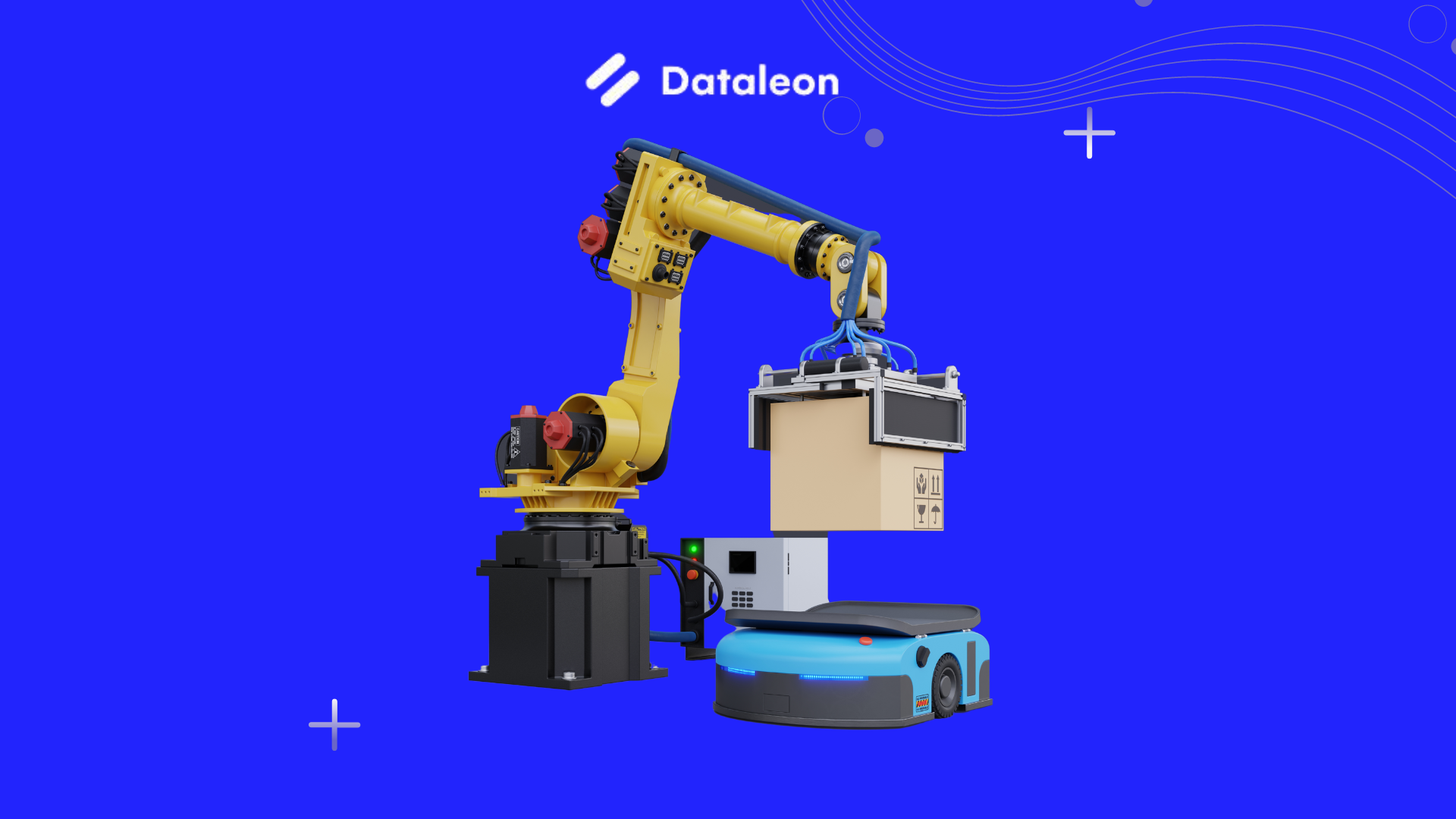
In today's rapidly evolving digital landscape, robotic automation has emerged as a transformative technology with the potential to revolutionize industries across the globe. With its ability to streamline processes, enhance productivity, and reduce costs, robotic automation is becoming increasingly popular among businesses. In this article, we will delve into the power of robotic automation, exploring its benefits, trends, and potential applications.
Understanding Robotic Automation
Robotic automation, also known as robotic process automation (RPA), involves the use of software robots or artificial intelligence to automate repetitive and rule-based tasks. This technology mimics human actions and performs tasks with accuracy, speed, and efficiency, freeing up human resources to focus on more strategic and complex activities.
Key Benefits of Robotic Automationa.
- Increased Productivity : Robotic automation can handle high volumes of tasks without fatigue, resulting in improved efficiency and productivity for businesses.
- Cost Savings: By automating manual tasks, businesses can significantly reduce labor costs and allocate resources more effectively.
- Error Reduction: Robotic automation minimizes human errors, leading to enhanced accuracy and quality in processes.
- Enhanced Customer Experience: With automated processes, businesses can provide faster response times and seamless customer interactions, ultimately improving the overall customer experience.
Trends in Robotic Automation
- Intelligent Automation : Robotic automation is evolving with the integration of artificial intelligence (AI) and machine learning (ML) capabilities. Intelligent automation enables robots to learn, adapt, and make decisions, further optimizing processes.
- Process Mining : By leveraging process mining techniques, businesses can gain insights into their operations, identify bottlenecks, and optimize workflows before implementing robotic automation solutions.
- Cognitive Automation: Cognitive automation combines robotic automation with cognitive technologies, such as natural language processing and sentiment analysis, enabling robots to perform complex tasks that require human-like judgment and reasoning.
Applications of Robotic Automation
- Finance and Accounting: Robotic automation can automate repetitive tasks like data entry, invoice processing, and financial reporting, improving accuracy and efficiency in financial operations.
- Customer Service : Chatbots and virtual assistants powered by robotic automation can handle customer queries, provide instant support, and personalize customer interactions.
- Supply Chain and Logistics : Robotic automation can optimize inventory management, track shipments, and automate order processing, leading to streamlined supply chain operations.
- Healthcare : Robotic automation is revolutionizing healthcare by assisting in patient care, managing medical records, and optimizing administrative processes.
The Future of Robotic Automation
As technology continues to advance, the potential for robotic automation is vast. The future holds opportunities for robotic automation to penetrate various industries, ranging from manufacturing and retail to human resources and legal services. With the integration of emerging technologies like internet of things (IoT) and blockchain, robotic automation is poised to unlock new possibilities and drive innovation.
Conclusion
Robotic automation has emerged as a game-changer in today's digital world. Its ability to enhance productivity, reduce costs, and improve accuracy makes it a sought-after technology for businesses across industries. By embracing robotic automation, organizations can stay competitive, deliver superior customer experiences, and unlock new levels of operational efficiency in an ever-evolving digital landscape.
Auteur




Questions fréquemment posées
Dataleon propose-t-il une assistance ?

Oui. Chaque client bénéficie d'un accompagnement dédié : support technique par e-mail et visioconférence, documentation complète et exemples de code pour intégrer nos API. Nos ingénieurs vous aident à cadrer vos parcours KYC et KYB, à réaliser l'intégration puis à passer en production sans interruption de service. Un interlocuteur unique reste ensuite disponible pour suivre vos volumes, ajuster vos règles de contrôle et répondre à vos questions métier comme techniques.
Mes fichiers sont-ils supprimés après traitement ?
Oui. Vos documents sont chiffrés en transit comme au repos, traités puis supprimés automatiquement à l'issue de la durée de conservation que vous définissez. Vous restez seul propriétaire des données transmises : elles ne sont ni revendues ni utilisées à d'autres fins que la réalisation de vos contrôles. Vous pouvez aussi déclencher la suppression immédiate d'un dossier depuis l'interface ou via l'API, et ne conserver que les résultats d'analyse nécessaires à vos obligations de conformité.
Peut-on intégrer Dataleon à nos outils via API ?
Oui. Dataleon se connecte à votre système d'information via une API REST documentée, des webhooks temps réel et des connecteurs vers vos outils existants : CRM, core banking, GED ou solutions de signature électronique. Les parcours de vérification, les règles de scoring, les seuils de risque et les workflows de validation sont entièrement paramétrables afin de coller à vos procédures internes. Nos équipes peuvent également développer des traitements sur mesure lorsque votre cas d'usage l'exige.
Puis-je tester Dataleon avant de m'engager ?
Oui. Vous bénéficiez d'un essai gratuit de 15 jours, sans engagement, pour vérifier vos propres pièces d'identité, justificatifs et documents d'entreprise et mesurer la qualité de l'extraction et des contrôles KYC/KYB. Pendant ces 15 jours, vous accédez à l'interface ainsi qu'à des clés d'API de test afin de valider votre intégration technique de bout en bout. Nous proposons également une démonstration personnalisée avec un expert pour construire ensemble le parcours adapté à votre activité.
Êtes-vous conforme au RGPD avec des serveurs en France ?
Oui. Dataleon est conforme au RGPD et l'ensemble des traitements ainsi que le stockage des données sont réalisés en France, sur l'infrastructure de Scaleway, hébergeur souverain français. Nous appliquons le chiffrement des données en transit et au repos, la minimisation des informations collectées, une gestion fine des droits d'accès et une traçabilité complète des opérations. Un accord de traitement des données (DPA) et notre documentation de sécurité vous sont fournis pour faciliter vos audits internes et réglementaires.
L'automatisation qui rend la conformité invisible.
Dataleon, le chaînon manquant entre votre conformité et votre croissance. KYC, KYB, LCB-FT, enfin réunis au même endroit.
La conformité automatisée, du document à la décision




© 2026 Dataleon. Tous droits réservés.

