
Exploring the future of AI: What will AI be in 2050?

July 10, 2023

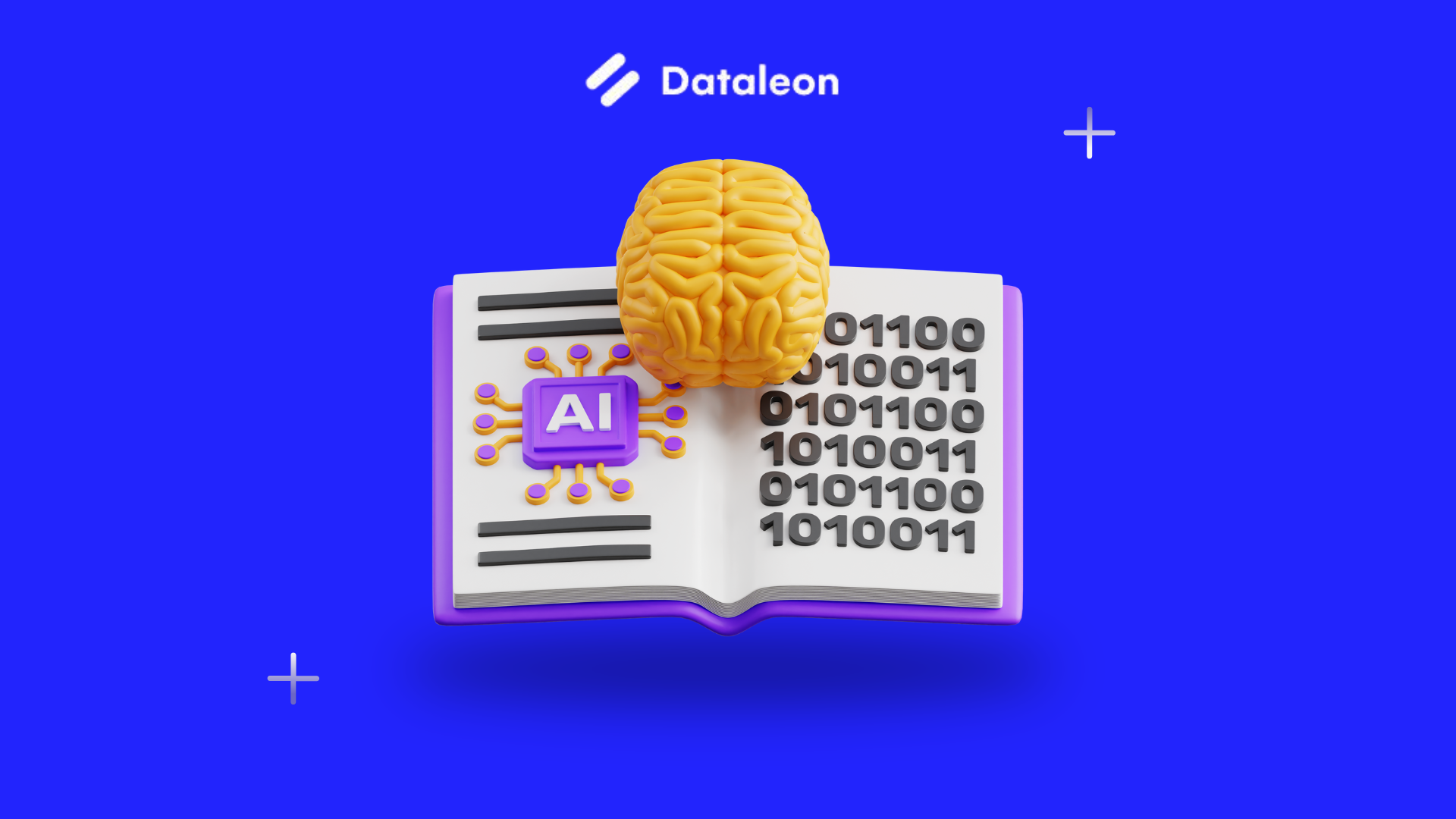
Artificial Intelligence (AI) has rapidly advanced in recent years, revolutionizing various industries and transforming the way we live and work. As we look ahead to the future, many wonder what AI will become in the year 2050. In this article, we will delve into the possibilities and potential of AI, exploring the exciting developments, trends, and implications that may shape AI's landscape in the year 2050.
The growth and impact of AI
AI has witnessed remarkable growth and integration into numerous fields, including healthcare, finance, transportation, and entertainment. Its ability to analyze vast amounts of data, recognize patterns, and make informed decisions has opened up new opportunities and efficiencies. In 2050, AI is poised to continue its exponential growth, becoming even more pervasive and impactful across various sectors.
AI's role in healthcare
In the healthcare industry, AI holds immense promise for advancements in diagnostics, personalized medicine, and drug discovery. By 2050, AI-powered technologies could revolutionize patient care, enabling faster and more accurate diagnoses, customized treatment plans, and the discovery of groundbreaking therapies. AI may also play a significant role in predicting and preventing diseases, leading to better population health management.
AI in transportation and mobility
Autonomous vehicles and intelligent transportation systems are already reshaping the way we commute. By 2050, AI is expected to revolutionize transportation further. We may witness fully autonomous, self-driving vehicles becoming the norm, leading to safer roads, reduced traffic congestion, and enhanced mobility for all. AI-powered traffic management systems will optimize routes and improve efficiency, making transportation more sustainable and environmentally friendly.
AI's impact on the job market
As AI continues to evolve, there are concerns about its impact on the job market. While certain repetitive and mundane tasks may be automated, AI's advancements are also expected to create new job opportunities. In 2050, AI may lead to the emergence of entirely new industries and professions, requiring skills in AI development, data science, and machine learning. Adapting to these changes and acquiring new skills will be essential for individuals to thrive in the AI-driven job market.
Ethical and regulatory considerations
With the increasing influence of AI, ethical and regulatory considerations become paramount. As AI becomes more autonomous and capable of making complex decisions, questions regarding accountability, transparency, and bias arise. In 2050, stringent ethical frameworks and regulations will be necessary to ensure the responsible development and deployment of AI technologies. Safeguarding privacy, mitigating algorithmic biases, and fostering trust in AI systems will be critical for their widespread acceptance and adoption.
AI and human augmentation
In the future, AI may also play a significant role in human augmentation, enhancing our cognitive and physical abilities. Brain-computer interfaces and neural implants could allow humans to seamlessly interact with AI systems, opening up possibilities for advanced problem-solving, memory enhancement, and even extending human lifespan. However, ethical considerations regarding privacy, consent, and potential inequalities must be carefully addressed.
Conclusion
The future of AI in 2050 holds immense potential and excitement. From transforming healthcare to revolutionizing transportation and shaping the job market, AI's impact will be far-reaching. While the possibilities are promising, it is crucial to navigate the ethical, regulatory, and societal implications of AI's advancement. By fostering responsible development and ensuring transparency, we can harness the power of AI to improve lives, drive innovation, and shape a better future for humanity.
Auteur




Questions fréquemment posées
Dataleon propose-t-il une assistance ?

Oui. Chaque client bénéficie d'un accompagnement dédié : support technique par e-mail et visioconférence, documentation complète et exemples de code pour intégrer nos API. Nos ingénieurs vous aident à cadrer vos parcours KYC et KYB, à réaliser l'intégration puis à passer en production sans interruption de service. Un interlocuteur unique reste ensuite disponible pour suivre vos volumes, ajuster vos règles de contrôle et répondre à vos questions métier comme techniques.
Mes fichiers sont-ils supprimés après traitement ?
Oui. Vos documents sont chiffrés en transit comme au repos, traités puis supprimés automatiquement à l'issue de la durée de conservation que vous définissez. Vous restez seul propriétaire des données transmises : elles ne sont ni revendues ni utilisées à d'autres fins que la réalisation de vos contrôles. Vous pouvez aussi déclencher la suppression immédiate d'un dossier depuis l'interface ou via l'API, et ne conserver que les résultats d'analyse nécessaires à vos obligations de conformité.
Peut-on intégrer Dataleon à nos outils via API ?
Oui. Dataleon se connecte à votre système d'information via une API REST documentée, des webhooks temps réel et des connecteurs vers vos outils existants : CRM, core banking, GED ou solutions de signature électronique. Les parcours de vérification, les règles de scoring, les seuils de risque et les workflows de validation sont entièrement paramétrables afin de coller à vos procédures internes. Nos équipes peuvent également développer des traitements sur mesure lorsque votre cas d'usage l'exige.
Puis-je tester Dataleon avant de m'engager ?
Oui. Vous bénéficiez d'un essai gratuit de 15 jours, sans engagement, pour vérifier vos propres pièces d'identité, justificatifs et documents d'entreprise et mesurer la qualité de l'extraction et des contrôles KYC/KYB. Pendant ces 15 jours, vous accédez à l'interface ainsi qu'à des clés d'API de test afin de valider votre intégration technique de bout en bout. Nous proposons également une démonstration personnalisée avec un expert pour construire ensemble le parcours adapté à votre activité.
Êtes-vous conforme au RGPD avec des serveurs en France ?
Oui. Dataleon est conforme au RGPD et l'ensemble des traitements ainsi que le stockage des données sont réalisés en France, sur l'infrastructure de Scaleway, hébergeur souverain français. Nous appliquons le chiffrement des données en transit et au repos, la minimisation des informations collectées, une gestion fine des droits d'accès et une traçabilité complète des opérations. Un accord de traitement des données (DPA) et notre documentation de sécurité vous sont fournis pour faciliter vos audits internes et réglementaires.
L'automatisation qui rend la conformité invisible.
Dataleon, le chaînon manquant entre votre conformité et votre croissance. KYC, KYB, LCB-FT, enfin réunis au même endroit.
La conformité automatisée, du document à la décision



© 2026 Dataleon. Tous droits réservés.

